

Balancing Heritage and Function: Awning Solutions for Historic Property Preservation and Contemporary Performance
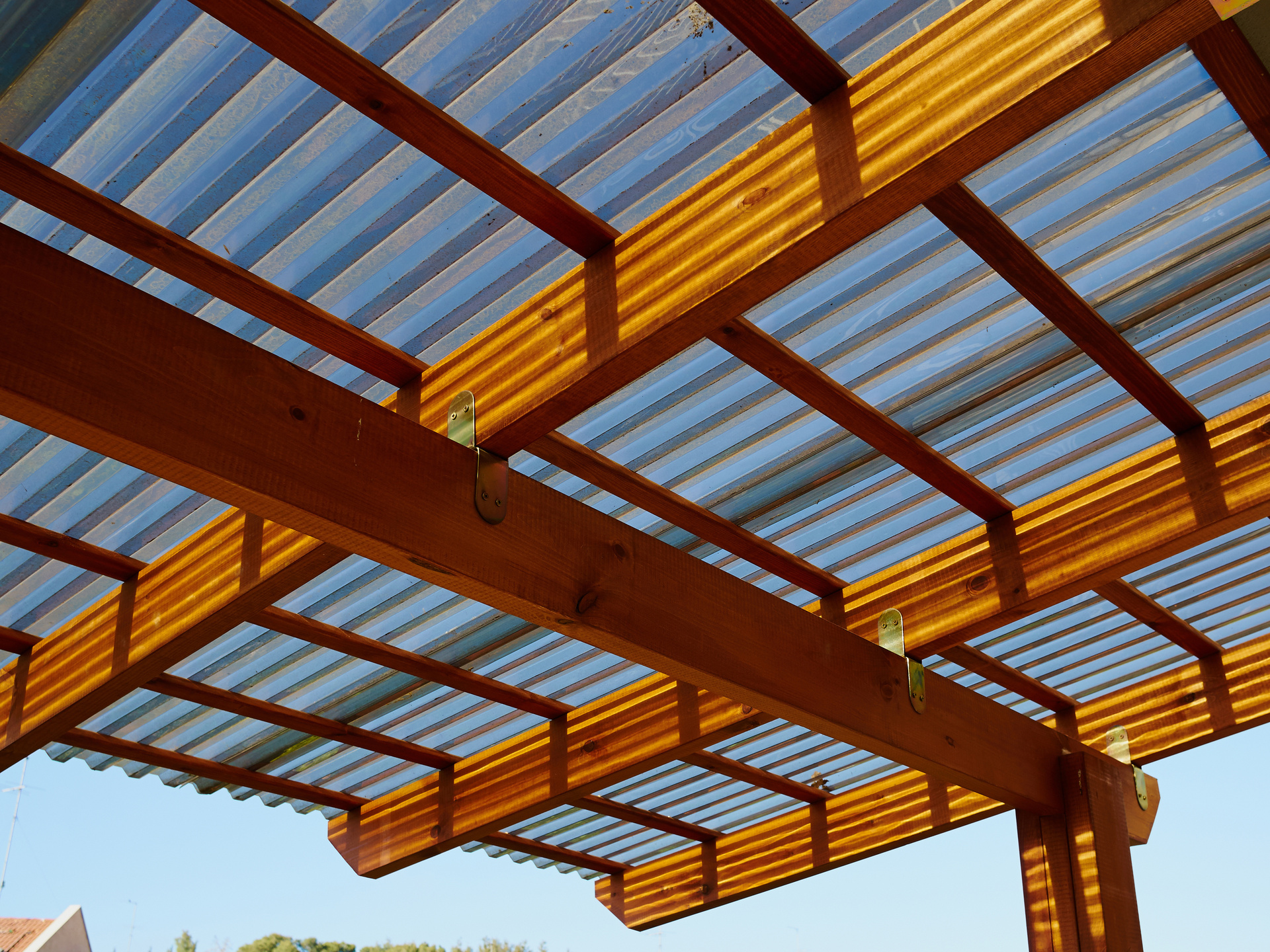

Thoughtfully designed awning systems can support preservation goals while addressing contemporary performance needs”
BATON ROUGE, LA, UNITED STATES, February 27, 2026 /EINPresswire.com/ -- Historic properties throughout Louisiana present a unique architectural legacy that requires careful preservation. At the same time, property owners face modern demands for energy efficiency, weather protection, and functional outdoor space. Awning systems have emerged as one architectural element capable of bridging heritage aesthetics with contemporary performance requirements.— Michael Matthews
From downtown Baton Rouge to historic districts across South Louisiana, buildings constructed in the late nineteenth and early twentieth centuries often feature ornate facades, masonry detailing, and traditional window proportions. Any exterior modification must respect these features while meeting present-day needs. Properly designed awnings can complement historic architecture without altering structural integrity.
Awnings historically served both decorative and practical purposes. Fabric and metal systems provided shade, reduced interior heat gain, and protected storefront entrances from rain. Over time, awning design evolved alongside building materials and engineering standards. Today’s systems incorporate durable fabrics, corrosion-resistant frames, and anchoring methods that align with modern safety codes.
“Historic preservation does not mean freezing a building in time,” said Michael Matthews, President and Chief Executive Officer of Awning World in Baton Rouge, Louisiana. “Thoughtfully designed awning systems can support preservation goals while addressing contemporary performance needs.”
Energy efficiency remains a primary consideration in both residential and commercial properties. In Louisiana’s warm climate, direct sunlight through windows contributes significantly to interior heat gain. Properly positioned awnings reduce solar exposure, helping moderate indoor temperatures and decrease reliance on mechanical cooling systems. This passive shading approach supports long-term building performance.
For historic storefronts, awnings also reinforce architectural rhythm. Traditional shapes, scalloped valances, and historically appropriate color palettes can align with preservation guidelines established by local historic commissions. In designated districts, awning modifications may require review to ensure compatibility with original design elements.
Material selection plays a key role in balancing authenticity and durability. Modern acrylic and vinyl-coated fabrics provide resistance to fading, moisture, and mildew. Powder-coated aluminum frames offer structural strength while maintaining a low visual profile. These materials allow historic buildings to maintain character without compromising structural resilience.
Water management is another functional benefit of awning systems. Properly installed units divert rainfall away from doorways and windows, reducing moisture infiltration and protecting masonry surfaces. In regions with frequent storms, this added layer of protection contributes to long-term preservation of building envelopes.
Commercial properties often incorporate awnings as part of branding and pedestrian comfort strategies. Shaded walkways enhance usability of outdoor spaces while maintaining compliance with local zoning and signage regulations. In historic districts, maintaining appropriate scale and proportion ensures that branding elements do not overpower architectural details.
Residential applications also reflect the dual purpose of preservation and modernization. Historic homes with large front-facing windows benefit from shading that complements original trim and siding. Retractable awnings, when discreetly installed, provide flexibility for homeowners seeking adjustable coverage.
Matthews noted that structural assessment is critical prior to installation. “Each building presents unique considerations based on age, materials, and load-bearing capacity,” Matthews said. “Careful evaluation ensures that awning systems integrate safely and effectively.”
Installation methods must account for masonry composition, wood framing conditions, and potential structural degradation in older buildings. Anchoring systems are selected to minimize impact on original materials while providing necessary stability.
Community preservation initiatives frequently emphasize reversible modifications. Many awning systems can be installed in a manner that allows future removal without permanent alteration to historic facades. This approach aligns with preservation standards that prioritize minimal intervention.
Accessibility and code compliance are also relevant considerations. Modern awning installations must meet wind load requirements and clearance standards. Engineering calculations account for regional weather patterns, including high wind events common in Gulf Coast states.
Color and design selection contribute to visual harmony within historic streetscapes. Neutral tones often complement masonry exteriors, while striped patterns may reflect early twentieth-century commercial aesthetics. Collaboration between property owners and preservation authorities helps maintain architectural cohesion.
Environmental sustainability intersects with both historic preservation and modern performance. By reducing solar heat gain and extending the lifespan of exterior finishes, awning systems support resource conservation. Long-lasting materials and maintenance planning further enhance sustainability objectives.
Awning World, under the leadership of Michael Matthews, operates in Baton Rouge and surrounding communities, addressing both preservation-sensitive projects and contemporary commercial installations. Emphasis remains on aligning design considerations with structural integrity and regulatory compliance.
“Historic properties require respect for original design intent,” Matthews said. “Functional improvements should enhance longevity without compromising architectural identity.”
As Louisiana continues to invest in revitalizing historic districts and maintaining architectural heritage, adaptive solutions remain essential. Awnings represent one such solution, offering shade, weather protection, and aesthetic continuity.
Through careful planning, appropriate materials, and adherence to preservation guidelines, awning systems can support both the safeguarding of historic properties and the practical demands of modern occupancy. In communities where history and climate intersect, thoughtful exterior enhancements contribute to long-term building stewardship.
Morgan Thomas
Rhino Digital, LLC
+1 504-875-5036
email us here
Visit us on social media:
Facebook
Legal Disclaimer:
EIN Presswire provides this news content "as is" without warranty of any kind. We do not accept any responsibility or liability for the accuracy, content, images, videos, licenses, completeness, legality, or reliability of the information contained in this article. If you have any complaints or copyright issues related to this article, kindly contact the author above.
